



Search
Our Services







Need to Book an Appointment?


Follow Us
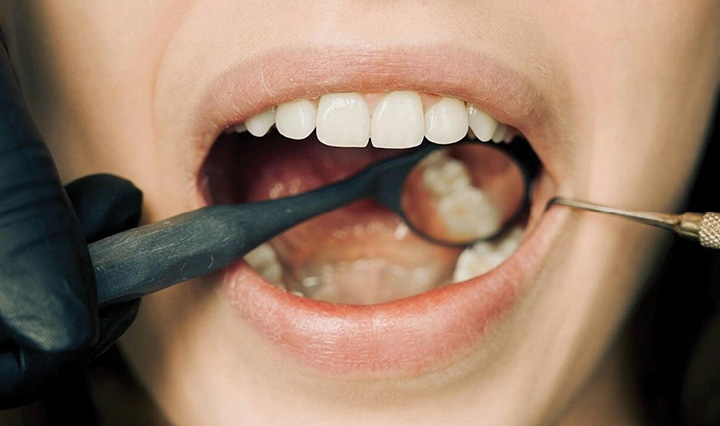

Effective Relief for Painful Mouth Ulcers
Quick, Comfortable Treatments for Faster Healing
Personalized Care to Prevent Recurrence
Expert Guidance for Long-Term Oral Health
5
Service5K+
Satisfied Patients12K+
Cases AttendedMouth ulcers can be caused by a variety of factors, including stress, minor injuries to the mouth, certain foods (like citrus or spicy foods), hormonal changes, nutritional deficiencies (such as a lack of vitamin B12 or iron), or an underlying medical condition. In some cases, they may also be triggered by dental work or braces.
At home, you can use over-the-counter topical treatments like gels or ointments to numb the area and relieve pain. Saltwater rinses, avoiding spicy or acidic foods, and using soft-bristled toothbrushes can also help manage discomfort. However, if the ulcer persists or becomes more painful, it’s important to seek professional care.
If your mouth ulcer lasts more than two weeks, becomes unusually large, or is accompanied by a fever or difficulty swallowing, it’s time to see a dentist. Recurrent ulcers may also indicate an underlying health issue that requires further investigation.
No, mouth ulcers are not contagious. They are typically caused by internal factors like stress, nutritional deficiencies, or injury, rather than infections that spread from person to person.
While it may not be possible to completely prevent mouth ulcers, certain measures can reduce their frequency. These include managing stress, eating a balanced diet rich in vitamins and minerals, avoiding irritating foods, and practicing good oral hygiene. If you experience frequent ulcers, your dentist can offer specific advice tailored to your needs.

Schedule an appointment to help you achieve that smile!